Moroccan Me Crazy Digital Paper Collection
If you've ever scrolled through design marketplaces searching for patterns that feel both exotic and effortlessly elegant—something that sparks joy without overwhelming your layout—you’ve likely hit that sweet spot where color, geometry, and cultural richness converge. That’s exactly where the Moroccan Me Crazy Digital Paper Collection lives: not just as a set of pretty backgrounds, but as a versatile creative toolkit rooted in bold symmetry, warm earth tones, and intricate motifs inspired by centuries-old Moroccan tilework, textiles, and architecture.
What It Is (and What It’s Really For)
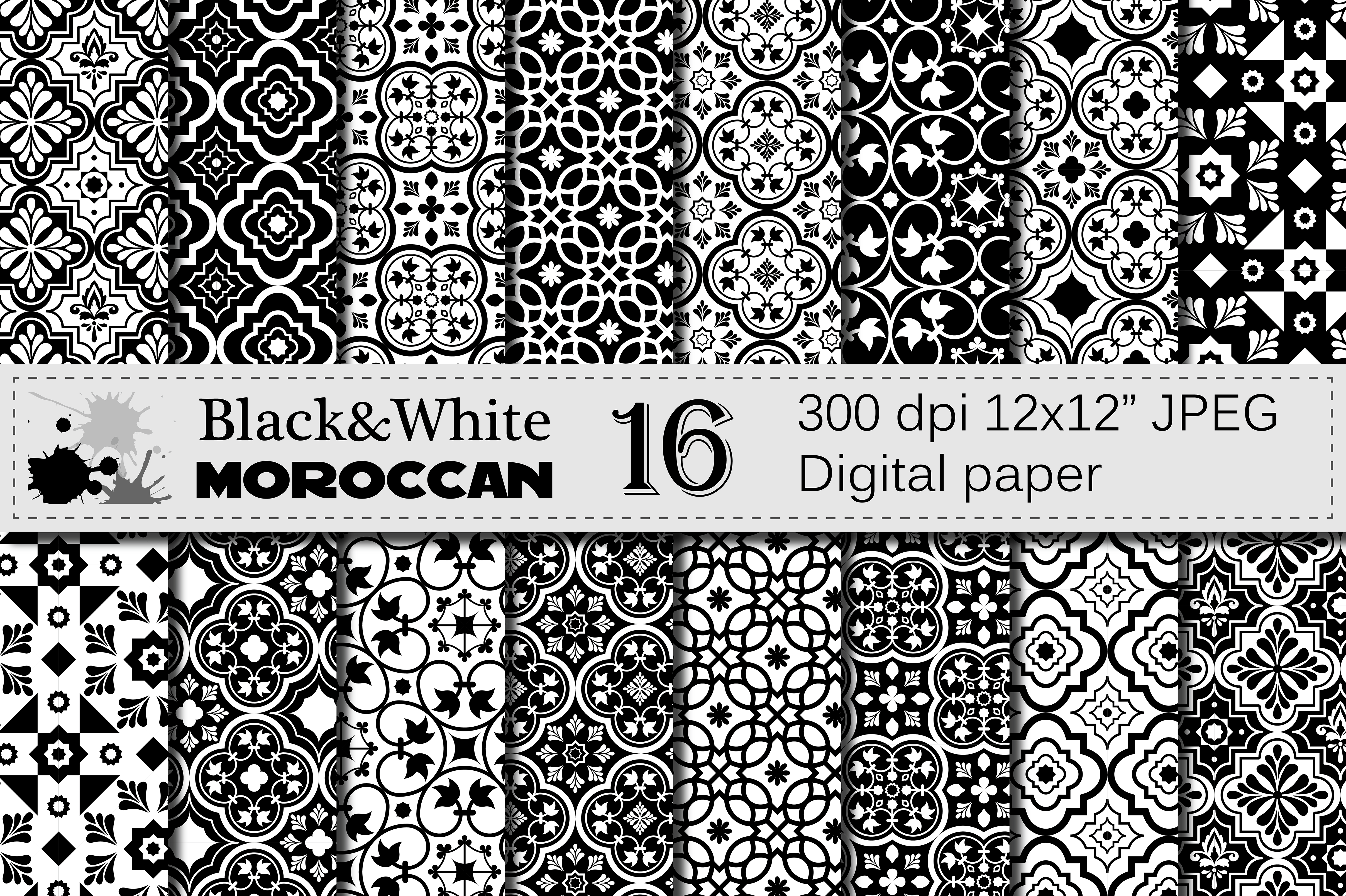
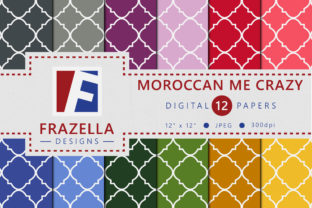
The Moroccan Me Crazy Digital Paper Collection is a curated set of 12 high-resolution JPG files—each 300 DPI, sized at 12×12 inches—designed for immediate use across digital and print workflows. But more than specs, it’s about intention: these papers were built to hold space—not compete with your content. Whether you’re layering text over a zellige-inspired tile pattern or using a subtle henna-style border as a framing device, the collection balances visual impact with functional clarity.
Where It Fits Into Real Creative Work
You don’t need to be a professional designer to get value from this collection—but if you are one, you’ll appreciate how quickly it solves common pain points. Here’s where people actually reach for it:
- Greeting card designers who want to stand out in crowded online marketplaces—especially for weddings, Eid, or housewarming themes—use the gold-veined geometric papers to add luxury without licensing headaches.
- Digital scrapbookers building memory kits for travel journals or family milestones often pair the softer, muted paisley prints with candid photos—creating cohesion without flattening personality.
- Small business owners crafting printable planners, social media templates, or boutique packaging find the seamless repeat-friendly patterns ideal for branding consistency—no need to tile or crop manually.
- Teachers and homeschoolers designing culturally responsive lesson materials pull in the symmetrical mandala-style papers for math units on tessellations or art history projects on North African design traditions.
- Wedding stationery creators lean into the deep indigo and terracotta options when building invitation suites for destination celebrations—giving clients a tactile, transportive feel even before the paper hits the mail.
Who Benefits—and How It Shifts With Their Needs
A freelance graphic designer working on a brand refresh for a Moroccan tea shop might use the bolder, high-contrast papers as background textures behind minimalist typography—adding heritage without clutter. Meanwhile, a hobbyist making DIY gift tags for a baby shower may choose the lighter, airier versions with delicate vine motifs, knowing they’ll print cleanly on kraft cardstock without bleeding or muddying fine details.
Even educators repurposing these for classroom visuals notice something practical: the patterns are dense enough to feel rich, but open enough to keep readability intact when overlaying labels or student annotations. One art teacher we spoke with uses the collection in Canva-based slide decks—cropping sections to create custom dividers between lesson segments—because the resolution holds up even when zoomed on interactive whiteboards.
Things to Keep in Mind Before You Start Designing
While the Moroccan Me Crazy Digital Paper Collection is intentionally flexible, real-world use comes with small but meaningful considerations:
- Color accuracy matters more than you think. These papers rely heavily on warm undertones—ochre, burnt sienna, deep saffron—that can shift depending on your monitor calibration or printer profile. If you're printing physical products, soft-proof in CMYK first—or run a test print on your intended stock.
- Not all patterns scale the same way. The more intricate tile-based designs shine at full 12×12 size but may lose legibility when shrunk below 4×4 inches. Simpler linear or dot-motif papers hold up better for tiny elements like email headers or app UI accents.
- Layering works best with intention. Because many patterns include subtle gradients or directional light effects, stacking them with heavy shadows or semi-transparent overlays can mute depth. Try using blending modes like “Multiply” or “Overlay” in Photoshop or Affinity instead of default opacity adjustments.
- It’s JPG-only—so no transparency. That means if you need cut-out shapes or layered mockups with drop shadows, plan ahead: bring the paper into your editor first, then mask or clip your foreground elements on top.
Why This Collection Stands Out (Without Overpromising)
There’s no shortage of “Moroccan-inspired” digital papers online—but what makes Moroccan Me Crazy Digital Paper Collection resonate across such varied users is its grounding in restraint. These aren’t maximalist collages or overly saturated filters. They’re thoughtfully edited to avoid visual fatigue: balanced contrast, intentional negative space within motifs, and palettes pulled from actual Moroccan pigments—think natural clay, aged copper, and sun-baked plaster—not algorithm-generated “exotic” palettes.
Also worth noting: the collection avoids cliché. You won’t find generic camel silhouettes or cartoonish lanterns. Instead, there’s rhythm in repetition, warmth in variation, and authenticity in abstraction—making it adaptable far beyond “themed” projects. A wedding planner used the same paper for both a bridal shower menu and a vendor thank-you card—just changing font weight and layout—and clients described both as “cohesive but never repetitive.”
When It Might Not Be the Right Fit
That said, it’s not magic—and knowing its edges helps you work smarter. If your project demands ultra-modern minimalism (think stark monochrome, Swiss grid layouts), these papers may introduce more texture than needed. Similarly, if you're building assets for strict corporate brand guidelines requiring exact Pantone matches or SVG scalability, JPG-based patterns won’t meet those technical requirements.
And while the 12-paper set covers a thoughtful range—from ornate to understated—it’s not an endless library. Users who need dozens of coordinated variations per theme (e.g., 20+ coordinating borders, frames, and corner accents) will likely supplement with additional resources. But for focused, high-impact use? It delivers precisely what it promises: a tight, cohesive, production-ready launchpad.
Real Projects, Real Results
One Etsy seller reported cutting her design-to-list time in half after switching from sourcing individual patterns to using the full Moroccan Me Crazy Digital Paper Collection as her base kit—she now builds entire seasonal collections (spring weddings, Ramadan planners, fall journal bundles) around consistent visual DNA. Another user printed the papers onto fabric via Spoonflower to create matching tote bags and notebook covers for a pop-up market—proving the versatility extends well beyond screens and paper.
Ultimately, this isn’t about decoration for decoration’s sake. It’s about giving your ideas a grounded, expressive surface—one that carries meaning, supports function, and invites interaction. Whether you’re sketching a concept, prepping a client presentation, or printing your first batch of greeting cards, the Moroccan Me Crazy Digital Paper Collection meets you where you are—and quietly elevates what comes next.