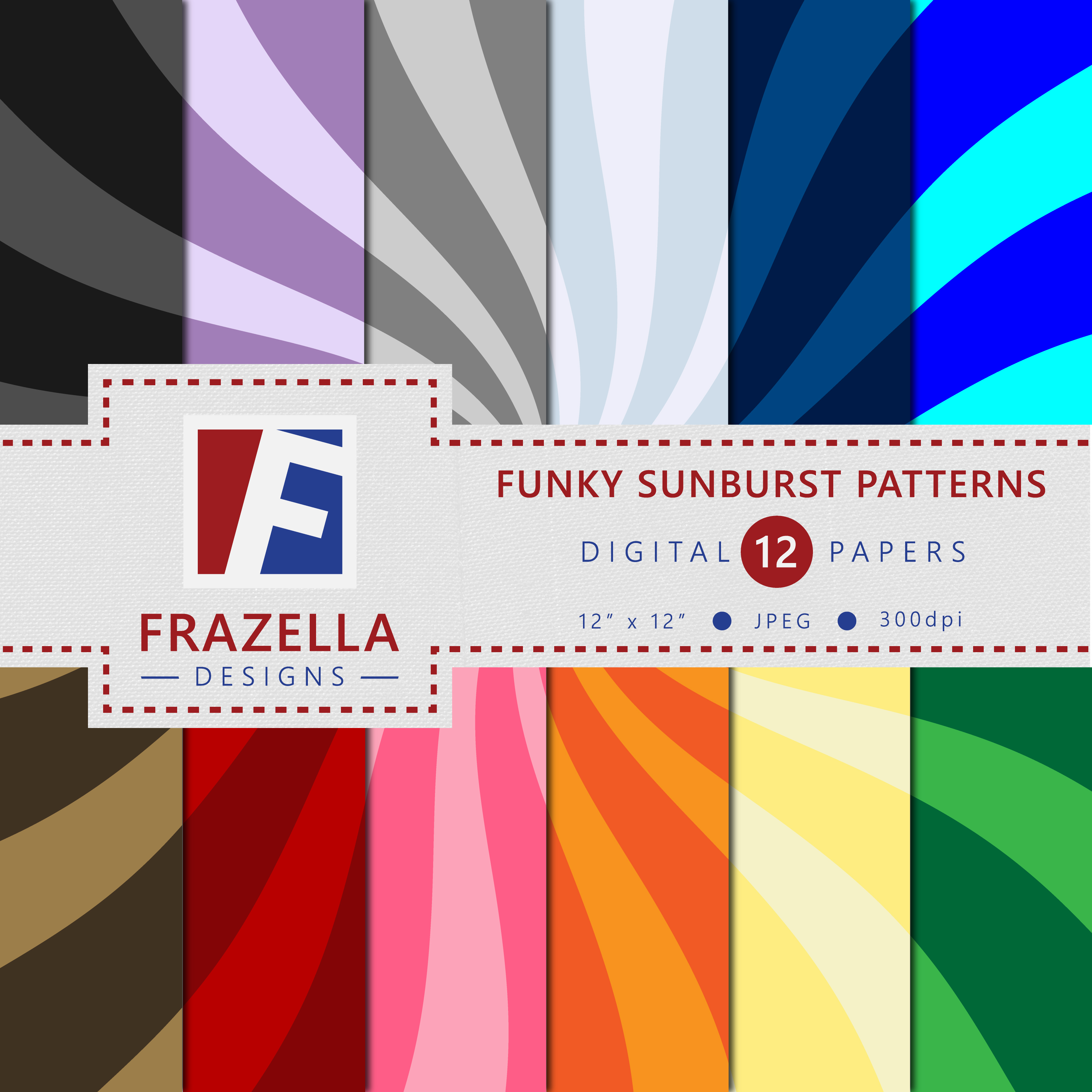
Multi-Color Tessellation Pattern Digital Paper Collection
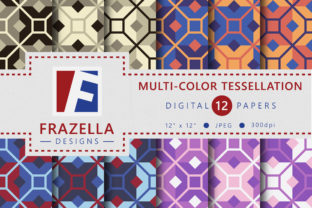
Tessellation isn’t just a math concept—it’s visual rhythm made tangible. The Multi-Color Tessellation Pattern Digital Paper Collection brings that rhythm to life through 12 high-resolution JPG files, each built from interlocking, non-repeating shapes in vibrant, harmonious color palettes. These aren’t clipart or generic repeats—they’re thoughtfully composed digital papers where geometry meets playfulness. Designed at 300 DPI and sized for standard print (8.5" × 11"), they work equally well on screen or paper, offering flexibility without compromise.
Why this matters—depending on who you are
What feels like a simple set of patterned backgrounds carries different weight depending on your role, tools, and goals. A teacher preparing classroom handouts doesn’t need the same features as a freelance designer building a client’s brand kit—and that’s okay. Let’s break down how this collection serves real needs, not just abstract ideals.
For educators and students
Visual structure supports learning—especially in subjects like geometry, art, or even early literacy. Teachers use these papers to create engaging worksheets, flashcards, or bulletin board backdrops that subtly reinforce shape recognition and symmetry. One middle school art educator told us she printed them on cardstock, cut them into tiles, and used them for hands-on tessellation discovery activities. No software required. For students, the patterns spark curiosity: “Why do these shapes fit together? What happens if I rotate one?” That’s learning rooted in observation—not instruction alone.
For hobbyists and crafters
If you make greeting cards, journal covers, or printable planners, texture and cohesion matter. These papers add polish without overwhelming your message. Unlike busy stock photos or low-res downloads, each design balances color intensity with breathing room—so handwritten notes or stamped elements stay legible. A watercolorist shared how she layered one pattern beneath a scanned sketch, adjusting opacity in free software to create subtle depth. No design degree needed—just curiosity and a basic image editor.
For small business owners and marketers
Consistency builds trust. Whether you’re designing social media banners, email headers, or product packaging mockups, having a ready-made, on-brand visual language saves time—and avoids the “generic” look of overused templates. Because these patterns are multi-color but not chaotic, they scale gracefully across formats: a background that works on Instagram Stories also translates cleanly to a printed flyer. One local bakery owner used three patterns from the set to differentiate seasonal menu sections—keeping her branding cohesive while signaling change visually.
For designers and creatives
You know resolution matters. You know licensing matters. You know color accuracy matters. This collection delivers all three: 12 distinct JPGs, no watermarks, no hidden fees, no subscription. They’re meant to be layered, recolored (using adjustment layers), cropped, or blended—not treated as static “fill.” A freelance illustrator uses them as base textures under line art; a UI designer samples colors directly from the files to build accessible palettes. Their simplicity is intentional—not a limitation, but an invitation to adapt.
What to consider before using them
Not every digital paper fits every project. Here’s how to gauge whether the Multi-Color Tessellation Pattern Digital Paper Collection aligns with your priorities:
- Ease of use: JPG format means compatibility with nearly any program—even Pages, Canva, or Google Slides. No plugins, no converters, no learning curve.
- Quality: At 300 DPI and full letter size, they hold up when printed or zoomed in digitally. Test one by opening it in Preview or Photos and zooming to 200%—you’ll see crisp edges, not pixelation.
- Flexibility: These aren’t locked into one aesthetic. Some lean modern and geometric; others soften edges with gradient transitions. Use lighter ones for text overlays, bolder ones for accent pages.
- Presentation value: Patterns signal intentionality. A report with a subtle tessellated header reads more considered than one with a default Word background—even if the content is identical.
- Long-term usefulness: Unlike trend-driven designs that feel dated in six months, tessellation is timeless. These papers won’t clash with future projects because their foundation is mathematical—not stylistic.
Real examples—no guesswork needed
Here’s how people actually use them:
- A homeschool parent created a reusable multiplication chart by printing one pattern on sticker paper, then adding laminated number tiles—making practice tactile and visually calming.
- A nonprofit launched a fundraising campaign using one pattern as the background for all email graphics, giving their outreach a unified, trustworthy feel across platforms.
- A calligrapher designed wedding invitations by placing elegant script over a low-opacity tessellated layer—adding dimension without competing with the lettering.
- A university department updated outdated PDF syllabi by replacing bland white backgrounds with two complementary patterns—one for headers, one for section dividers—improving readability and engagement.
Who might look elsewhere?
This collection shines when you want ready-to-use, high-fidelity patterns rooted in structure and color harmony. It’s less ideal if you need editable vector files (like SVG or AI), animated versions, or patterns designed specifically for fabric or wallpaper repeat. It also assumes you’re comfortable doing light editing—though many users don’t edit at all and still get excellent results straight from download.
If your goal is rapid prototyping, consistent branding across multiple touchpoints, or simply adding thoughtful visual interest to everyday documents, the Multi-Color Tessellation Pattern Digital Paper Collection meets those needs quietly and reliably. It doesn’t shout. It supports. And sometimes, the best creative tools are the ones that let your ideas take center stage—without asking for attention themselves.