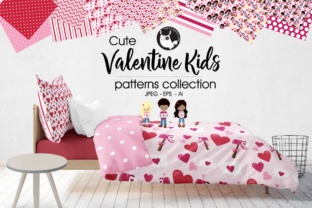
Valentine Kids
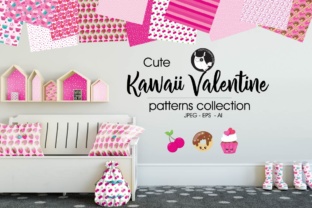
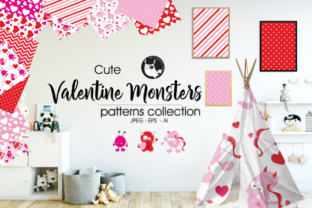
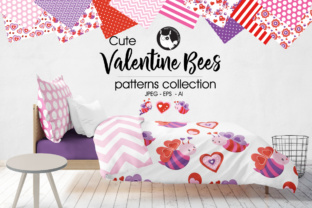
Valentine Kids refers to a curated digital design resource tailored for creators developing themed materials for children around Valentine’s Day. It is not software, a physical product, or a subscription service—but a downloadable set of graphic elements designed with young audiences in mind. The collection emphasizes sweetness, playfulness, and age-appropriate visual language: think smiling hearts, cartoon animals holding candy, cherubs with bows, and soft pastel motifs—all rendered in clean, scalable vector formats.
Why Consider Valentine Kids?
Designers, educators, small business owners, and crafters often seek reliable, ready-to-use assets when producing seasonal content. Valentine Kids addresses several common needs: saving time on custom illustration, ensuring visual consistency across printed or digital projects, and maintaining age-sensitivity for early childhood applications. Its appeal lies in the combination of thematic relevance and technical readiness—not just what it depicts, but how it’s delivered.
What You Receive
The package includes three core file types, each serving distinct production purposes:
- 1 EPS Vector File: A universally compatible vector format suitable for scaling to any size without quality loss—ideal for large-format printing like banners or classroom posters.
- 1 Adobe Illustrator (.ai) File: Fully editable layers and paths, allowing users familiar with Illustrator to modify colors, rearrange components, or isolate individual elements for reuse.
- Hi-res JPEGs (300 DPI): Each graphic saved individually as a high-resolution raster image, optimized for immediate use in layouts where vector editing isn’t required—such as digital newsletters, slide decks, or social media posts targeting parents or teachers.
Benefits for Practical Use
One primary advantage is workflow efficiency. Instead of commissioning custom illustrations or piecing together mismatched clipart, users gain a cohesive set built around a unified style and color palette. This consistency supports brand alignment—for example, a preschool’s annual Valentine’s event materials—or reinforces learning themes in educational printables.
The vector foundation also supports flexibility. Teachers can resize heart-shaped frames for student name tags without pixelation; small-batch stationery makers can adapt motifs for greeting cards or stickers; and curriculum designers can integrate elements into worksheets while preserving clarity at small sizes.
Additionally, the focus on “super cute, high quality pattern background design” means textures and repeats are intentionally balanced—not overly dense, not too sparse—making them usable behind text or layered beneath other graphics without visual competition.
Tradeoffs and Realistic Expectations
Valentine Kids is not a design system with built-in typography, icon libraries beyond the theme, or responsive web templates. It does not include SVG files for web development, PNGs with transparent backgrounds (unless specified separately), or licensing for resale of derivative digital products like Canva templates. Users expecting those features may need to supplement the set or evaluate alternatives.
Likewise, while the designs are child-friendly, they reflect a specific aesthetic—soft, rounded, and gently whimsical. Projects requiring edgier, minimalist, culturally diverse, or gender-neutral interpretations may find the style limiting. The collection also assumes some familiarity with vector editing tools; beginners may face a learning curve adjusting colors or recombining elements in Illustrator.
Finally, compatibility depends on software versions. Older versions of Illustrator may not open newer .ai files without conversion, and EPS support varies across non-Adobe applications—particularly on mobile or web-based design platforms.
Situations Where Valentine Kids Is a Strong Fit
This resource works well when the goal is to produce polished, printable, or professionally presented materials quickly—and when the audience is clearly defined as young children (ages 3–8) or their caregivers. Examples include:
- A Montessori teacher preparing themed activity cards and classroom decor for February;
- A small Etsy shop owner creating limited-run Valentine’s-themed coloring pages or party printables;
- A nonprofit developing bilingual parent handouts about kindness and friendship, needing gentle, inclusive visuals;
- A school communications team designing a newsletter section highlighting student valentines or classroom celebrations.
When Alternatives May Be Worth Considering
If your project requires broader stylistic variety—such as combining Valentine motifs with space, jungle, or ocean themes—Valentine Kids’ focused scope may feel restrictive. Similarly, if you’re building interactive digital experiences (e.g., an app or animated website), static vector and JPEG assets won’t meet functional requirements without additional development work.
For users prioritizing accessibility, note that the set doesn’t include alt-text guidance, contrast-checked color variants, or WCAG-compliant design documentation. Those needs may prompt evaluation of specialized educational asset libraries or custom illustration services.
Also consider budget and scale. If you only need one or two isolated icons—and already have access to a robust stock library with commercial licenses—purchasing a full themed pack may not be cost-effective. Conversely, if you anticipate recurring seasonal design work, investing in a targeted, high-quality set like Valentine Kids can yield long-term efficiency gains over piecemeal sourcing.
Making a Practical Decision
Start by clarifying your output format and audience. Are you printing? Sharing digitally? Creating reusable templates? Who will see the final piece—a class of kindergarteners, parents reviewing a school flyer, or customers browsing an online store? Match those answers against the file types and stylistic traits offered.
Review the preview images carefully—not just for cuteness, but for versatility. Can the patterns tile seamlessly? Do the characters avoid stereotypical poses or expressions? Are there enough neutral or adaptable elements (like blank speech bubbles or simple frames) to extend usability beyond the core theme?
Test compatibility before committing. Open the provided .ai or EPS sample (if available) in your usual design environment. Try recoloring one element or exporting a test JPEG at 300 DPI. If the process feels intuitive and meets your baseline technical requirements, the set likely aligns with your workflow.
Lastly, consider longevity. Design trends evolve, but well-executed, timeless illustration styles endure. Valentine Kids avoids dated filters or overused tropes, favoring clarity and warmth—qualities that support reuse across multiple years and contexts, provided the underlying needs remain consistent.