Seamless Floral Pattern for Creative Projects
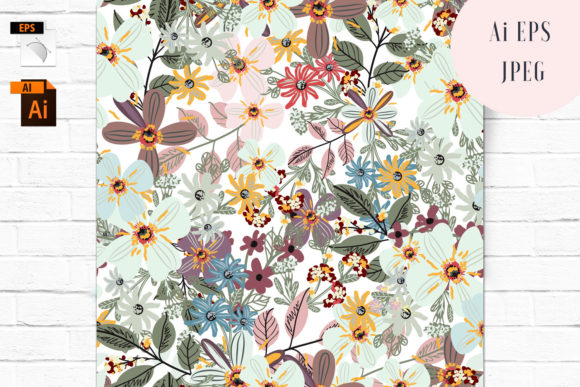
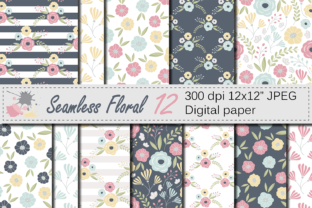
A Seamless Floral Pattern isn’t just background—it’s a quiet workhorse in your creative toolkit. When a design repeats flawlessly at the edges, without visible seams or breaks, it unlocks flexibility you can’t get with static images. This particular set—12 high-resolution, 12×12 inch JPG files at 300 DPI—uses soft pink and warm yellow florals to strike a balance between freshness and warmth. It’s not overly sweet or clinical; it’s grounded, versatile, and ready to support your intent—not distract from it.
Why Seamless Matters (Beyond “It Tiles”)
Seamlessness isn’t about convenience alone—it’s about control. When you’re designing for physical products like greeting cards or fabric labels, or digital assets like social media templates or email headers, jagged repeats break immersion. A poorly tiled pattern draws attention to itself, not your message. With this Seamless Floral Pattern, the transitions between tiles are invisible—even when scaled, rotated, or layered over photos or text. That reliability means less time troubleshooting alignment and more time refining color balance, typography, or storytelling.
Each of the 12 designs offers subtle variation: some lean into delicate line work with dainty buds, others feature bolder blooms with gentle shadowing. None compete for dominance. They’re calibrated for harmony—so whether you’re pairing one with hand-lettered script or overlaying it on a product mockup, the floral element stays supportive, not overwhelming.
Real Projects, Real Applications
This set shines where versatility meets intention. Here’s how different creators use it—without reinventing the wheel:
- Scrapbookers print full-page backgrounds for memory keepsakes—then crop sections to create custom journaling cards or photo mats. The consistent 12×12 size matches standard scrapbook paper, so no resizing guesswork.
- Small business owners apply one pattern as a subtle texture behind their logo on packaging inserts or thank-you notes—adding tactile warmth without sacrificing brand clarity.
- Educators and bloggers use lighter-weight versions (via opacity adjustment) as gentle page backgrounds in printable planners or classroom resources—softening visual density while keeping content legible.
- Card makers and stationers layer a floral tile beneath vellum or foil-stamped elements to add depth—no need for complex masking or blending modes.
- Product designers test how the pattern reads on different substrates: printed on kraft paper, heat-transferred to cotton tote bags, or embedded into Canva templates for clients who want editable, on-brand assets.
Adapting for Audience and Platform
What works for a Mother’s Day invitation won’t always translate to an Instagram Story—but that’s where thoughtful adaptation matters. For example:
If you’re designing for print, stick to the full 300 DPI resolution and use CMYK mode if sending to a professional printer. For digital use—like website banners or email headers—export a compressed PNG version with transparency if you need to overlay text cleanly. Don’t assume one file fits all outputs.
Consider your audience’s expectations. Parents planning a child’s birthday party might appreciate playful, airy arrangements—so choose a lighter, more open floral tile. A boutique skincare brand launching a limited-edition gift set may prefer a denser, more luxurious repeat—leaning into the yellow tones for energy and the pinks for calm. The same Seamless Floral Pattern serves both, but the *choice* of which tile—and how you frame it—shapes perception.
Keeping It Clear, Consistent, and Original
Using pre-made patterns doesn’t mean sacrificing originality. Your voice lives in how you combine, edit, and contextualize. Try these practical steps:
- Start with purpose: Ask, “What feeling or function does this piece need to carry?” A baby shower invite needs lightness and joy; a wedding program needs elegance and cohesion. Let that guide your tile selection—not just what “looks pretty.”
- Limit palette shifts: These designs already live in a harmonious pink-and-yellow range. If you adjust saturation or brightness, do it globally across your project—not per element—to maintain visual rhythm.
- Add hierarchy with contrast: Place dark text over a lighter floral area—or vice versa. Use the natural negative space in each tile (the gaps between stems and petals) to anchor headlines or callouts.
- Test readability early: Drop a sample paragraph onto your chosen tile at actual size. If letters blur or vanish, reduce opacity (15–30%) or add a subtle semi-transparent white overlay—not a heavy solid box.
Ideas That Go Beyond the Obvious
Think beyond paper and pixels. This Seamless Floral Pattern has legs in unexpected places:
- Classroom decor: Print tiles on adhesive vinyl to create reusable wall accents—pair with neutral borders so seasonal updates feel effortless.
- DIY stencils: Import a tile into vector software, trace key shapes, and cut simplified versions for painting or embossing on notebooks or ceramic mugs.
- Content repurposing: Turn one floral tile into a cohesive Instagram grid—use quarter-crop variations across four posts, then center a fifth post with a quote overlaid on the full repeat.
- Client onboarding kits: Bundle three complementary tiles into a branded PDF guide—showing how they can be used across email signatures, slide decks, and proposal covers.
None of these require advanced skills—just noticing where repetition adds value instead of noise. That’s the quiet power of a well-built Seamless Floral Pattern: it gives structure so your ideas have room to breathe.
Final Thought: Tools Serve Intent
You don’t need more tools—you need reliable ones that behave predictably and leave space for your judgment. This set delivers that. It’s not flashy, and it’s not trying to be. It’s designed to recede when needed and elevate when asked. Whether you’re prototyping a new product line, assembling a meaningful gift, or building a resource for your community, let the pattern do its job—so you can focus on yours.