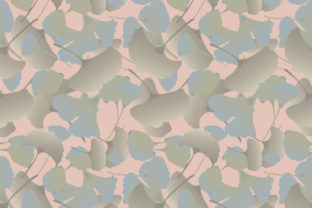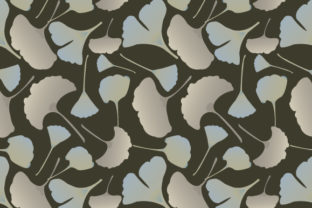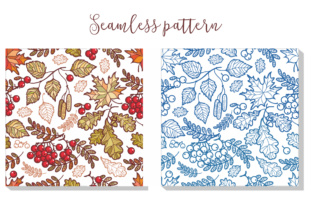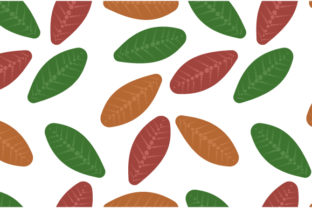
Seamless Autumn Leaves Pattern
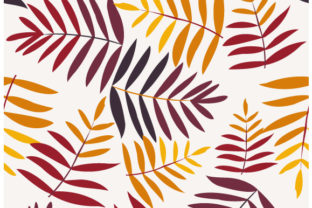
A Seamless Autumn Leaves Pattern isn’t just seasonal decoration—it’s a functional design asset built for real-world versatility. At its core, it’s a repeating motif of stylized or naturalistic autumn foliage—maple, oak, ginkgo—arranged so edges align perfectly, eliminating visible seams when tiled across surfaces. The version in warm Orange, Beige, Brown, and Yellow reflects the nuanced palette of fall: not just fiery reds and golds, but the quiet warmth of parchment, toasted almond, roasted chestnut, and sunlit amber. That restrained, earthy harmony makes it adaptable—not overly thematic, yet unmistakably autumnal.
Why This Palette Fits Modern Creative Workflows
Designers and marketers increasingly favor muted, accessible color systems over high-saturation trends. Orange, Beige, Brown, and Yellow—when balanced thoughtfully—offer contrast without visual fatigue, warmth without cliché, and cohesion across print and screen. Unlike bold, saturated palettes that can clash with typography or overwhelm user interfaces, this combination supports readability and emotional resonance. It works equally well behind body text on a blog post about sustainable living or as the subtle background texture on an e-commerce site launching a new line of wool throws and ceramic mugs.
This matters because creative workflows today are rarely siloed. A small business owner might use the same pattern for Instagram story backgrounds, printable gift tags, and the lining of a PDF product catalog—all within a single afternoon. The Seamless Autumn Leaves Pattern accommodates that fluidity: its EPS vector file scales infinitely for large-format printing (think wall murals or packaging), while the high-resolution JPG delivers fast, reliable performance on websites and digital presentations.
Beyond Seasonal Greeting Cards: Where This Pattern Adds Quiet Value
Autumn greeting cards remain a steady use case—but the demand is shifting. Consumers now expect consistency across touchpoints: the same visual language appears on an email newsletter, a limited-edition tote bag, and the “Thank You” page after checkout. A seamless pattern bridges those contexts without requiring custom illustration for each medium. For educators, it becomes classroom bulletin board paper that doesn’t scream “Halloween” or “Thanksgiving” but evokes the season’s reflective, grounded energy—ideal for back-to-school units on ecology or harvest traditions. For freelancers building brand kits for clients in wellness, artisan food, or home goods, it offers an immediate, cohesive texture that feels intentional, not templated.
What’s changed isn’t just how often people use patterns—but how they evaluate them. A decade ago, “seamless” meant technically functional. Today, it also implies aesthetic integrity: does the repeat feel organic, not mechanical? Does the color balance support accessibility (e.g., sufficient contrast for text overlays)? Does the leaf shape avoid stereotypical clip-art stiffness? This Seamless Autumn Leaves Pattern succeeds by using varied leaf sizes, subtle rotation, and gentle spacing—creating rhythm rather than rigidity.
Practical Integration Across Formats and Platforms
The inclusion of both EPS and JPG files addresses concrete workflow needs—not theoretical ones. Vector EPS ensures crisp reproduction at any scale: essential for laser-cut gift box inserts, vinyl decals for café windows, or embroidered patches where detail retention matters. JPG delivers immediacy: drag-and-drop into Canva, Figma, or Adobe Express; apply as a CSS background-image with background-repeat: repeat; embed directly into email HTML templates without external dependencies.
Real-world examples illustrate the difference seamless integration makes:
- A wedding planner uses the pattern as a textured overlay on digital invitations—softening photography while reinforcing the “rustic elegance” theme, then prints matching envelope liners using the same file.
- A blogger writing about mindful seasonal living applies it as a subtle background to her Substack header image, then reuses cropped sections as social media post dividers—no resizing artifacts, no mismatched edges.
- An indie stationery brand licenses the pattern for limited-run wrapping paper, then extends it into web UI elements: loading animations, section dividers, and even favicon accents—maintaining brand continuity without extra design labor.
How Changing Expectations Are Reshaping Pattern Use
Users—whether customers or internal stakeholders—no longer tolerate visual friction. A jarring seam in a website background, a pixelated repeat on packaging, or a color shift between digital and printed versions erodes trust in a brand’s attention to detail. That expectation has elevated the value of professionally constructed seamless assets. It’s not about “more graphics”—it’s about fewer compromises.
Simultaneously, tools have democratized implementation. Platforms like Webflow and Shopify now support CSS-based tiling natively; Canva’s recent updates allow users to upload custom patterns as reusable brand elements; even PowerPoint lets designers set JPGs as slide backgrounds with seamless repeat options. The barrier isn’t technical literacy anymore—it’s access to well-crafted, ethically licensed source files. That’s where a thoughtfully composed Seamless Autumn Leaves Pattern stands apart: it’s production-ready, not placeholder-grade.
Choosing Thoughtfully: What Makes This Pattern Worth Your Time
Not all autumn leaf patterns deliver equal utility. Some rely too heavily on photorealism, limiting scalability. Others overemphasize symmetry, making repeats feel artificial. This version avoids those pitfalls through deliberate design choices:
- Strategic negative space: Leaves are spaced to allow breathing room—critical when layering text or icons without obscuring content.
- Harmonized saturation: Orange reads as warm spice, not neon; beige leans toward oatmeal, not dull gray; brown carries depth without heaviness; yellow glows softly, not aggressively.
- Vector-first construction: Every leaf, stem, and vein is built in clean paths—enabling easy recoloring in Illustrator or Affinity Designer if brand guidelines shift.
- Cross-medium testing: The JPG is exported at 300 DPI for print and optimized at 72 DPI for web—no guesswork needed.
For professionals managing tight timelines, that reliability translates directly to time saved: less troubleshooting, fewer client revisions, smoother handoffs between designers, developers, and printers.
Looking Ahead: Sustainability, Simplicity, and Substance
The broader design landscape continues moving toward sustainability—not just in materials, but in creative practice. That means choosing assets that serve multiple purposes over time, avoiding disposable visuals, and reducing redundant work. A Seamless Autumn Leaves Pattern in this refined palette fits that ethos: it’s not tied to a single campaign or fleeting trend. Used intentionally, it can anchor a brand’s autumn identity for years—not as a novelty, but as a consistent, calming visual thread.
It also reflects a quieter shift in how people engage with seasonal themes. Rather than loud, literal interpretations (“fall = pumpkins + scarecrows”), there’s growing appreciation for subtlety—textures that suggest transition, colors that evoke memory and mood. This pattern doesn’t shout “autumn.” It invites pause. That resonance matters more than ever in a world saturated with visual noise.
Whether you’re designing a landing page for a maple syrup subscription, creating printable lesson plans for elementary science, or refreshing your freelance portfolio’s seasonal showcase—the Seamless Autumn Leaves Pattern in Orange, Beige, Brown, and Yellow offers grounded flexibility. It’s ready when you are.